Ganesh Chaturthi guide for Maharashtra & Rajasthan families
21-page festival hub|गणपती बाप्पा मोरया
Rituals & Modern Living • Article 18 of 20

Essential Ganesha Mantras & Their Meanings

Maharashtra traditions • Rajasthan context • practical celebration guidance

Ganesha mantras are used to focus attention, begin auspicious work, express devotion, and cultivate steadiness. A mantra is more than a translation: sound, repetition, intention, and lineage all matter. For beginners, a few short prayers recited clearly and consistently are better than a long list rushed without understanding.

गणपती बाप्पा मोरया!
मंगलमय गणेशोत्सवाच्या हार्दिक शुभेच्छा.

गणपति बप्पा मोरया!
गणेश चतुर्थी की हार्दिक शुभकामनाएँ.

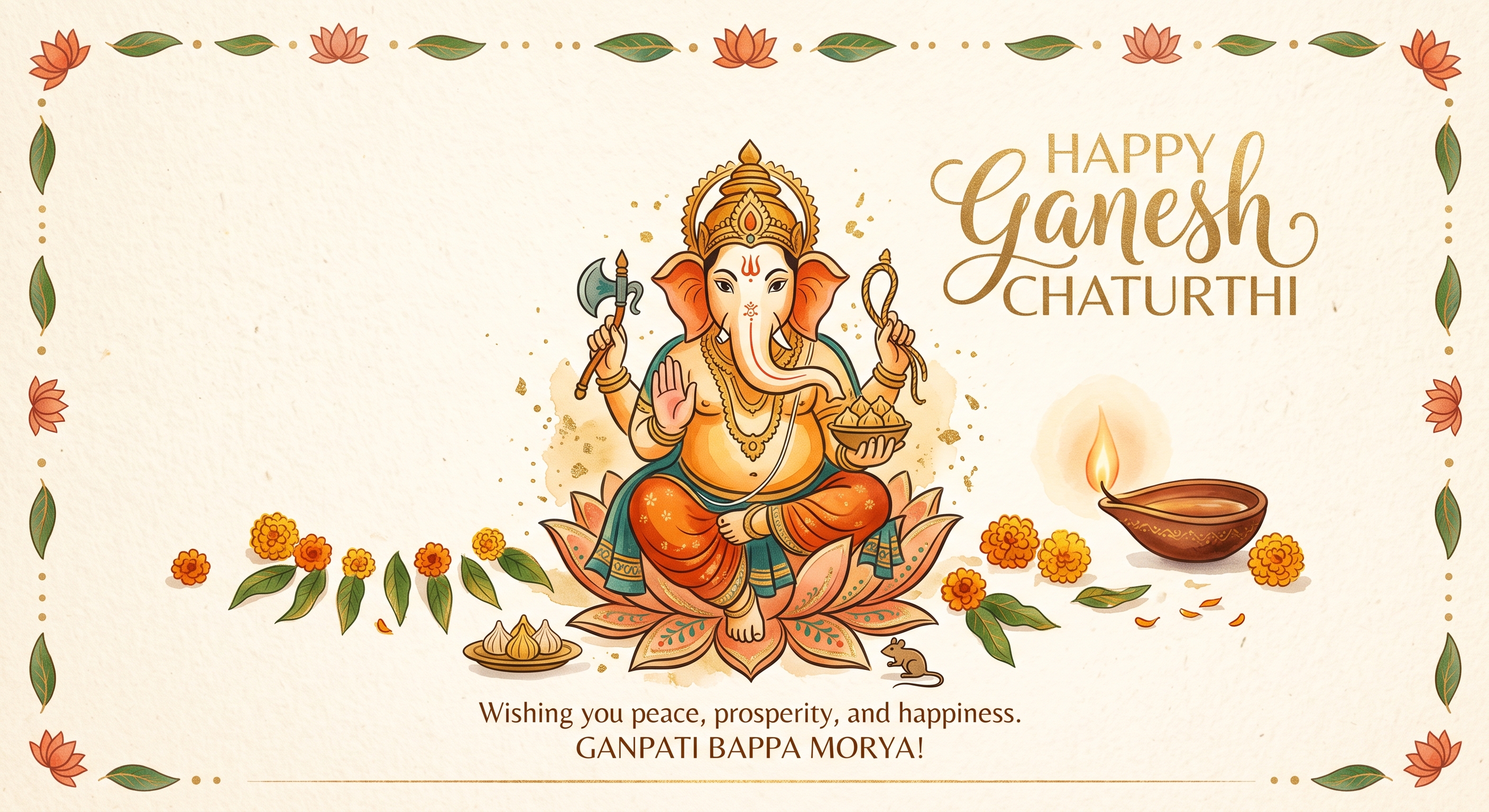
Ganesh Chaturthi devotional artwork for Essential Ganesha Mantras & Their Meanings
Ganesh Chaturthi visual used as part of this regional festival guide.
Maharashtra & Rajasthan Lens

Make the guide feel local

Ganesh traditions are not identical across India. These notes highlight Maharashtra’s Ganeshotsav culture while giving Rajasthan readers relevant devotional and practical context.

Maharashtra

गणपती बाप्पा मोरया

In Maharashtra, familiar Ganesh aartis and invocations are often learned by hearing them at home and in mandals, so pronunciation and collective recitation matter as much as memorization. A short mantra said attentively is better than a long text rushed without understanding.

Rajasthan

Ganesh devotion in Rajasthan

Rajasthan readers may combine Sanskrit Ganesh mantras with locally familiar bhajans or temple practice. The core chants are pan-Indian; what changes is the musical and family setting around them. When unsure about Vedic pronunciation, learn from a qualified teacher rather than relying on transliteration alone.

Key takeaways

  • “Om Gan Ganapataye Namah” is one of the simplest and most widely used Ganesha mantras.
  • “Vakratunda Mahakaya” is a popular prayer asking that obstacles be removed from one’s undertakings.
  • Traditional claims about spiritual benefit belong to devotional practice; they should not be presented as medical or guaranteed outcomes.

Om Gan Ganapataye Namah

ॐ गं गणपतये नमः

Transliteration: Om Gam Ganapataye Namah

A simple meaning is: “Salutations to Lord Ganapati.” The seed syllable gam is traditionally associated with Ganesha. This mantra is commonly recited at the beginning of study, work, travel, or puja as a way to center the mind and invoke wise beginnings.

Vakratunda Mahakaya

वक्रतुण्ड महाकाय सूर्यकोटि समप्रभ ।
निर्विघ्नं कुरु मे देव सर्वकार्येषु सर्वदा ॥

Meaning: O Lord with the curved trunk and great form, radiant like millions of suns, please make my undertakings free of obstacles, always.

The prayer is popular because it connects Ganesha’s visual form with the practical wish to proceed through life with clarity.

Gajanana prayer

Many devotional collections include prayers addressing Ganesha as Gajanana, “elephant-faced one,” or Vighneshvara, “lord of obstacles.” The exact verses differ across traditions. If you learn a longer Sanskrit stotra, listen to a trusted teacher or recording so pronunciation and meter are not reduced to guesswork.

How to practice

  • Choose one short mantra and learn its pronunciation.
  • Sit comfortably and recite at a pace that lets you hear each syllable.
  • Use a mala if it helps concentration, but do not treat the count as a competition.
  • Begin a study or work session with a few repetitions if that practice is meaningful to you.
  • For formal initiation-based mantras, follow the guidance of your teacher or lineage.

Meaning matters, but so does relationship

Translation gives intellectual access, while repeated devotional use creates emotional meaning. For one person, Ganesha represents a beloved family deity; for another, a symbol of wise beginnings. Respecting that range allows mantra practice to remain personal without making universal promises.

Frequently Asked Questions

Use family, temple and local-authority guidance where a ritual or public celebration differs by place.

How many times should I repeat a Ganesha mantra?

Some traditions use fixed counts such as 11, 21, or 108, but beginners can start with a small consistent number and follow family or teacher guidance.

Can I chant without knowing Sanskrit?

Yes, but learn pronunciation and meaning carefully. Short mantras are a good starting point.

Do mantras guarantee success?

No. Devotees use them for prayer, focus, and spiritual practice; they are not a guarantee of a particular worldly result.

Ganesh Chaturthi Series

Continue exploring