Ganesh Chaturthi guide for Maharashtra & Rajasthan families
21-page festival hub|गणपती बाप्पा मोरया
Mythology & History • Article 1 of 20

The Origin of Ganesh Chaturthi: From Mythology to National Movement

Maharashtra traditions • Rajasthan context • practical celebration guidance

Ganesh Chaturthi sits at the meeting point of sacred story, household devotion, public art, neighborhood life, and modern Indian history. Its roots are ancient, while the large community festival familiar today took shape through centuries of regional practice and a major public revival in the late nineteenth century.

गणपती बाप्पा मोरया!
मंगलमय गणेशोत्सवाच्या हार्दिक शुभेच्छा.

गणपति बप्पा मोरया!
गणेश चतुर्थी की हार्दिक शुभकामनाएँ.

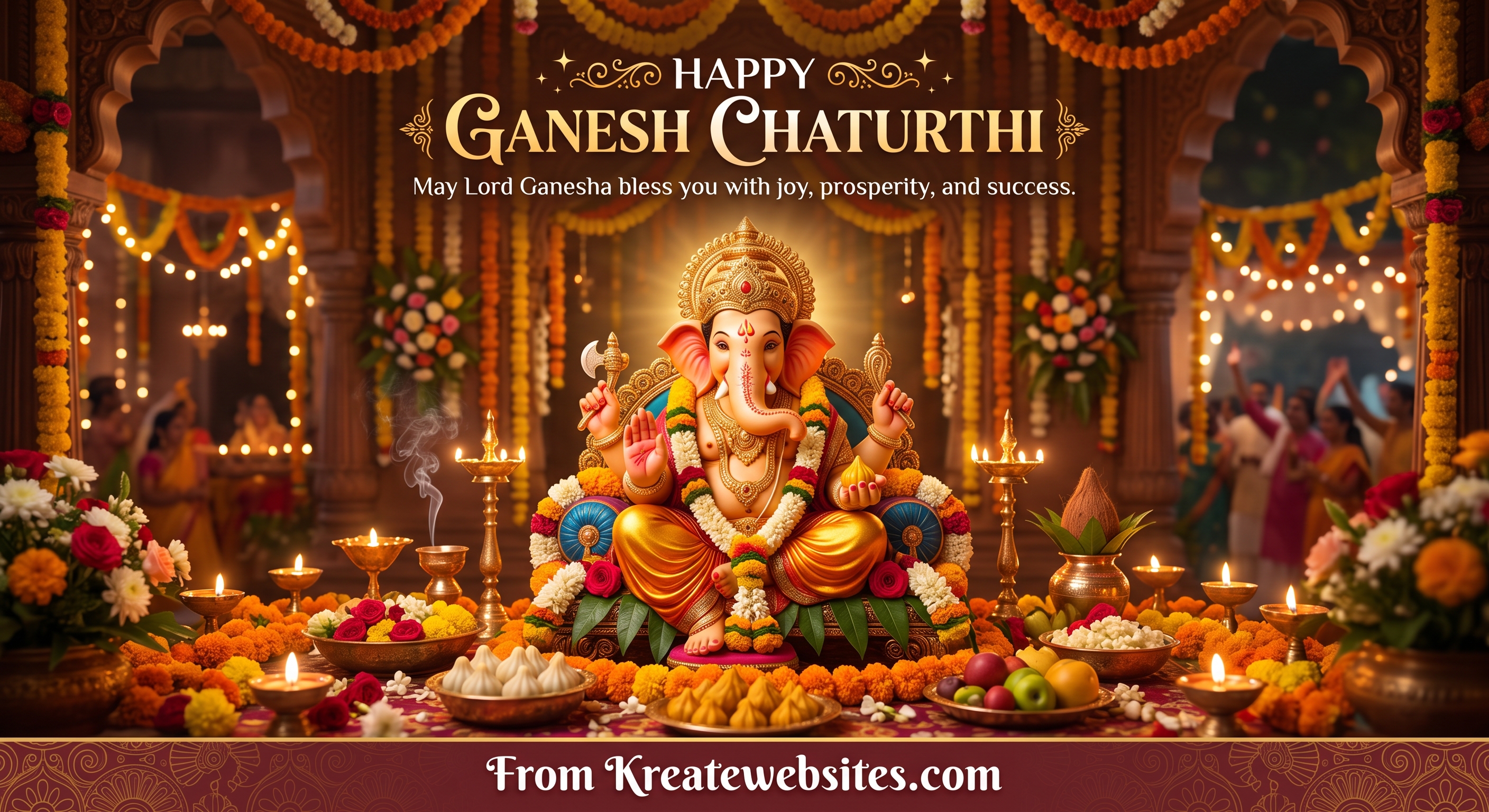
Ganesh Chaturthi devotional artwork for The Origin of Ganesh Chaturthi: From Mythology to National Movement
Ganesh Chaturthi visual used as part of this regional festival guide.
Maharashtra & Rajasthan Lens

Make the guide feel local

Ganesh traditions are not identical across India. These notes highlight Maharashtra’s Ganeshotsav culture while giving Rajasthan readers relevant devotional and practical context.

Maharashtra

गणपती बाप्पा मोरया

For a Maharashtrian audience, this history is especially close to home. Household Ganpati traditions long predate the modern public festival, while the late-nineteenth-century sarvajanik movement gave Ganeshotsav a new civic scale. Pune remains central to that memory, and today Mumbai, Pune, Konkan and cities across the state express the festival through home installations, mandals, aarti, dhol-tasha and visarjan processions.

Rajasthan

Ganesh devotion in Rajasthan

For readers in Rajasthan, the festival is usually experienced less as a statewide public identity than in Maharashtra, but Ganesh devotion is deeply rooted. Jaipur’s Moti Doongri Ganesh Temple is a major devotional landmark, while the Trinetra Ganesh Temple at Ranthambore draws devotees and a Bhadrapada Chaturthi fair. These traditions provide a natural bridge between a Maharashtra-focused Ganeshotsav story and Rajasthan’s own Ganesha worship.

Key takeaways

  • Hindu traditions preserve more than one account of Ganesha’s birth, so the story is best understood as a family of sacred narratives rather than a single historical report.
  • Ganesh worship long predates the modern public festival and became especially important in western and southern India.
  • Bal Gangadhar Tilak is widely credited with greatly popularizing the sarvajanik, or public, Ganesh festival in the 1890s as a space for collective cultural life.

Ganesha’s birth in sacred tradition

One of the best-known traditions says Goddess Parvati formed a child from material from her own body and asked him to guard her privacy. When Shiva returned and the boy refused him entry, a confrontation followed and the child was beheaded. After Parvati’s grief and anger, Shiva restored the child to life with an elephant head and recognized him as Ganesha, a leader of Shiva’s ganas and a deity to be honored before auspicious undertakings.

Other tellings differ in details, emphasis, and theology. Some focus on divine creation, others on the relationship between Shiva, Parvati, and their sons. The important point for festival readers is that the narratives explain why Ganesha combines strength with tenderness, why he guards thresholds, and why devotees invoke him at beginnings.

From household worship to a regional festival

Devotion to Ganesha is centuries old and appears in temples, inscriptions, literature, art, and household ritual across India. In Maharashtra, Ganesh Chaturthi developed strong domestic and courtly traditions. Families installed clay images, offered sweets and flowers, recited prayers, welcomed guests, and later immersed the image in water.

The festival’s form was never identical everywhere. Some households observed it briefly; others kept the image for several days. Local food, music, procession, and artisan traditions shaped the celebration. That variety continues today.

Tilak and the public Ganesh festival

Public celebrations existed before Bal Gangadhar Tilak, but he is widely associated with expanding and popularizing the sarvajanik Ganeshotsav in the 1890s, particularly from 1893 onward. At a time when colonial rule restricted many forms of political mobilization, a religious and cultural gathering could bring people together for speeches, music, performances, debate, and community organization.

Tilak’s intervention mattered because it helped turn the festival into a visible neighborhood institution. Public mandaps became places where devotional life overlapped with civic participation and emerging nationalist consciousness. This history is one reason Ganesh Chaturthi today can feel simultaneously intimate and public.

How the modern festival evolved

In the twentieth and twenty-first centuries, public Ganesh celebrations expanded far beyond their nationalist-era role. Mandals became centers for charitable work, blood drives, scholarships, cultural competitions, music, theater, neighborhood services, and increasingly eco-conscious celebrations.

The festival therefore carries several layers at once: mythology, bhakti, family memory, artistic craft, public spectacle, social service, and the historical memory of collective action.

Frequently Asked Questions

Use family, temple and local-authority guidance where a ritual or public celebration differs by place.

Did Tilak start Ganesh Chaturthi?

No. Ganesha worship and Ganesh Chaturthi traditions existed long before Tilak. He is best known for helping popularize and scale the public, community form of the festival in the 1890s.

Why is Ganesha worshipped first?

Many Hindu traditions honor Ganesha as Vighnaharta, the remover of obstacles, and invoke him at the beginning of rituals, journeys, studies, and new ventures.

Is the birth story the same in every text?

No. Hindu sacred literature and regional traditions preserve multiple versions. The best-known popular account centers on Parvati creating the child and Shiva restoring him with an elephant head.

Ganesh Chaturthi Series

Continue exploring